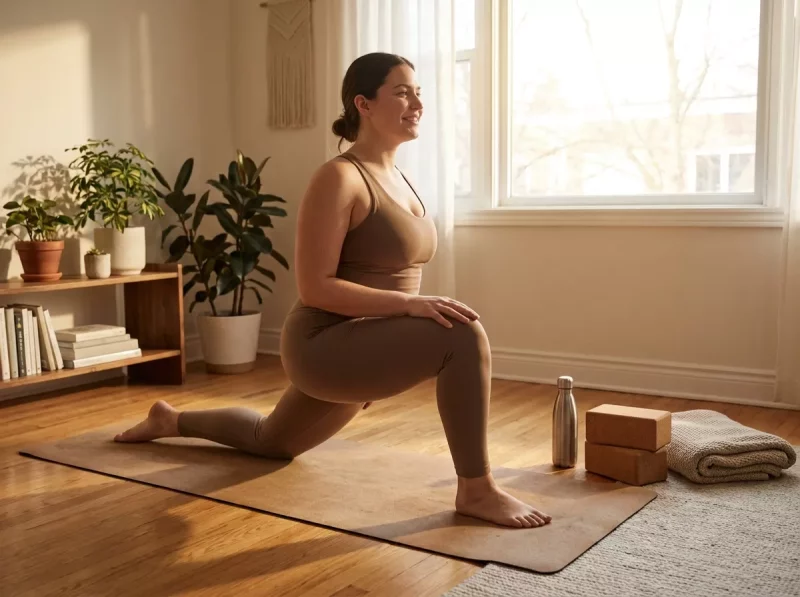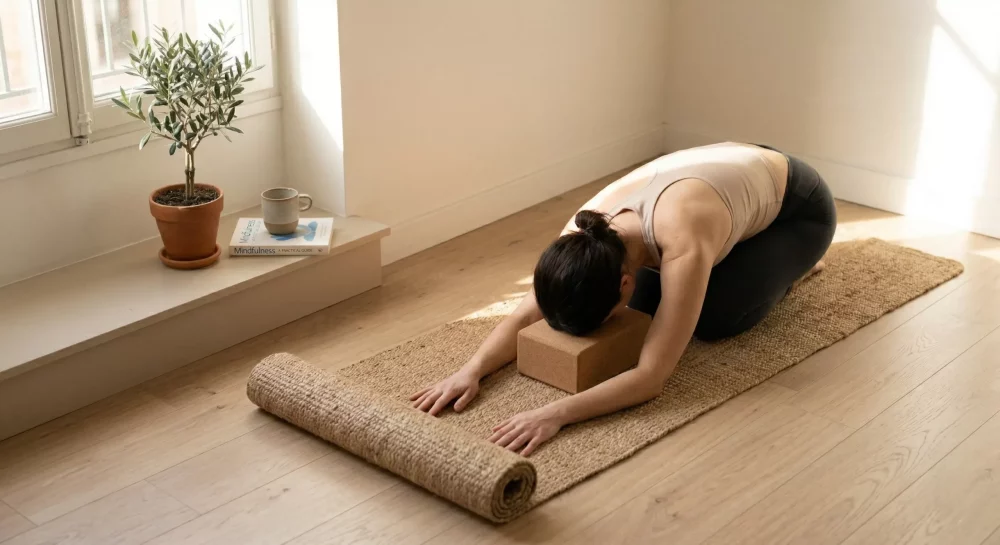
Many people want to practice yoga regularly but get stuck on one simple question. What is the best time to do yoga. Morning or evening. Before work or before bed.
This article solves that confusion. You will learn how timing affects energy, flexibility, stress, sleep, and consistency, and how to choose the best time based on your body, your goals, and your daily routine.
By the end, you will know exactly when to practice and what to do next.
Is There a Single Best Time to Do Yoga?
What “best” really means
There is no single best time that works for everyone. The best time to do yoga is the time that:
- Fits your daily schedule
- Matches your physical and mental goals
- Allows you to practice consistently
Yoga works through repetition and adaptation. Timing only enhances results when practice is regular.
The consistency rule
Practicing yoga three to five times per week at a consistent time produces better results than chasing the “perfect” hour and skipping sessions.
If a time slot increases your chance of showing up, that time is right for you.
Morning Yoga Benefits
For energy and focus
Morning yoga helps the body transition from rest to activity. It improves circulation, increases alertness, and sharpens focus for the day ahead.
- Activates the nervous system
- Improves mental clarity
- Sets a calm, intentional tone for the day

For stiffness and mobility
After sleep, muscles and joints feel stiff. Gentle morning yoga:
- Increases joint range of motion
- Reduces back, neck, and hip stiffness
- Prepares the body for daily movement
Best morning styles
Morning sessions work best with:
- Gentle Vinyasa
- Mobility-focused flows
- Light Sun Salutations
Avoid intense or forced stretching early in the day.
Who it’s for: busy professionals, early risers, people who struggle to exercise later
What to do next: start with 10 to 20 minutes, focus on breathing and gradual warm-up
Evening Yoga Benefits
For stress and nervous system reset
Evening yoga helps shift the body out of stress mode.
- Lowers cortisol levels
- Releases physical tension from sitting or standing all day
- Supports emotional regulation
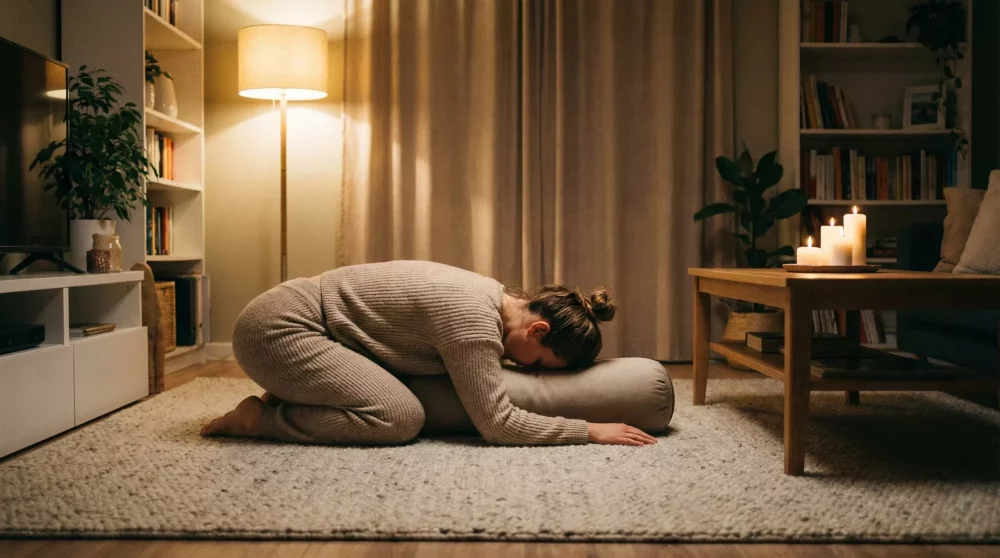
For better sleep
Slow, calming yoga improves sleep quality when done correctly.
- Encourages parasympathetic activation
- Reduces mental overstimulation
- Improves sleep onset and depth
Best evening styles
Evening practice should emphasize:
- Yin yoga
- Restorative yoga
- Gentle stretching and breathwork
Avoid fast-paced or strength-based yoga close to bedtime.
Who it’s for: people with high stress, anxiety, or sleep issues
What to do next: practice 60 to 90 minutes before bed, keep intensity low
Best Time to Do Yoga Based on Your Goal
Weight loss and fitness
- Best time: Morning or early evening
- Why: energy levels support movement and calorie expenditure
- Styles: Vinyasa, Power Yoga, dynamic flows
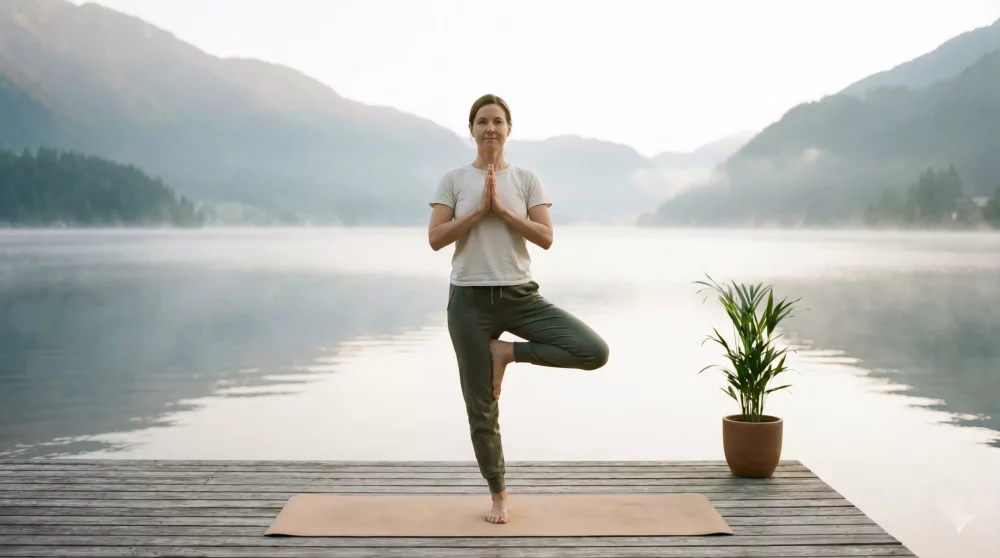
Flexibility and mobility
- Best time: Late afternoon or evening
- Why: muscles are warmer and more pliable
- Styles: Slow flow, deep stretch sessions
Stress relief and mental health
- Best time: Evening
- Why: helps down-regulate the nervous system
- Styles: Yin, Restorative, guided breathing
Sleep improvement
- Best time: 1–2 hours before bed
- Why: prepares the body for rest
- Styles: Gentle stretches, long holds, slow breathing
-
Yoga Timing Around Meals
Yoga on an empty stomach
Practicing yoga before eating:
- Improves comfort
- Reduces nausea and cramping
- Supports deeper breathing
Morning yoga before breakfast is ideal for many people.
How long after eating
- Light meal: wait 1–2 hours
- Heavy meal: wait 2–3 hours
Hydration and light snacks
- Drink water before practice
- If needed, choose a small snack like fruit or yogurt
What to do next: if you recently ate, choose gentle poses and avoid deep twists
Yoga Timing Around Workouts
Yoga before strength or running
Yoga works well as a warm-up when it is:
- Short
- Dynamic
- Mobility-focused
Yoga after workouts
Post-workout yoga:
- Improves flexibility
- Reduces muscle soreness
- Supports recovery
When to split sessions
If possible:
- Do strength training earlier
- Do yoga later the same day or on rest days
What Time Should Beginners Do Yoga
Pick the time you can repeat
Beginners succeed when they remove friction.
- Same time each day
- Same location
- Same short duration
Start with 10 minutes
Short sessions:
- Build habit consistency
- Reduce mental resistance
- Lower injury risk
Safety. pain vs stretch
- Stretching feels controlled and steady
- Sharp or sudden pain means stop and modify
Sample Schedules You Can Copy
10-minute morning routine
- Gentle spinal movements
- Light Sun Salutations
- Breathing focus
20-minute after-work reset
- Hip openers
- Shoulder and back stretches
- Slow flow
15-minute pre-bed wind down
- Seated forward folds
- Supine twists
- Long exhale breathing
Common Mistakes When Choosing a Yoga Time
High intensity too late
- Increases alertness
- Disrupts sleep cycles
Practicing right after a big meal
- Causes discomfort
- Limits movement quality
Waiting for perfect conditions
- Reduces consistency
- Leads to skipped sessions
Fix: choose a realistic time and commit for two weeks before adjusting.
Quick Decision Guide
If you want energy
- Choose morning yoga
- Keep it light and dynamic
If you want calm and better sleep
- Choose evening yoga
- Focus on slow, gentle styles
If you have no time
- Do 10 minutes at the easiest time of day
- Consistency matters more than duration
Conclusion
The best time to do yoga depends on your goals, schedule, and body response. Morning yoga supports energy and habit-building. Evening yoga supports relaxation and sleep. No timing works without consistency.
Choose the time you can maintain, match the intensity to the hour of day, and start with short, repeatable sessions. The next step is simple. Pick one time today and practice for ten minutes. That is how results begin.