What is Yoga? Beyond the Physical Poses
The word yoga originates from Sanskrit, meaning “union.” It is a comprehensive system designed to unite the mind, body, and breath.
While modern culture often focuses solely on Asanas (the physical postures), traditional practice encompasses eight limbs, including ethical disciplines, meditation, and Pranayama (breathwork).
The Science-Backed Benefits of Yoga
Yoga is highly regarded by medical professionals and physiotherapists across Europe for its measurable impact on human physiology:
- Nervous System Regulation: Conscious breathing activates the parasympathetic nervous system, lowering cortisol levels and reducing chronic stress and anxiety.
- Improved Mobility and Posture: Regular practice counteracts the physical strain of sedentary desk jobs, alleviating lower back and neck pain.
- Enhanced Sleep Quality: Practices like Yoga Nidra and Restorative Yoga have been shown to improve sleep architecture and reduce insomnia.
7 Essential Tips to Kickstart Your Yoga Journey
1. Start with Acceptance and Mindfulness
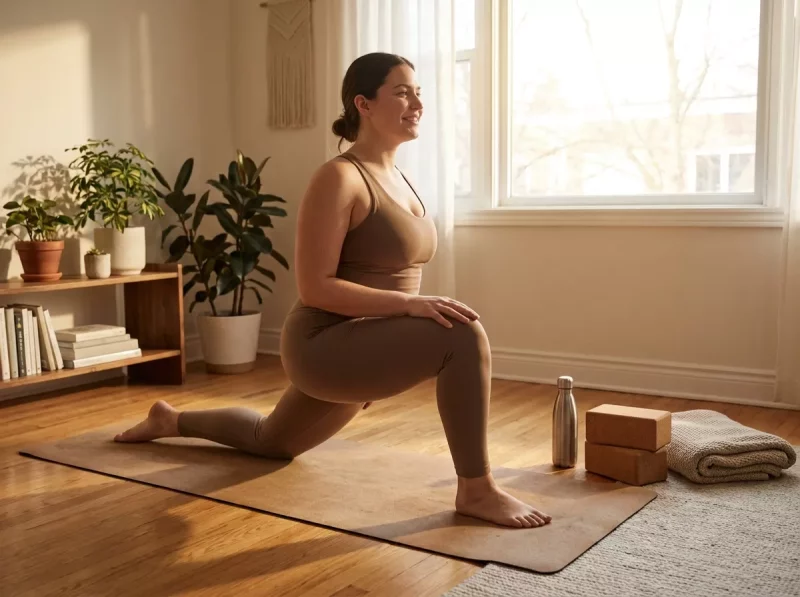
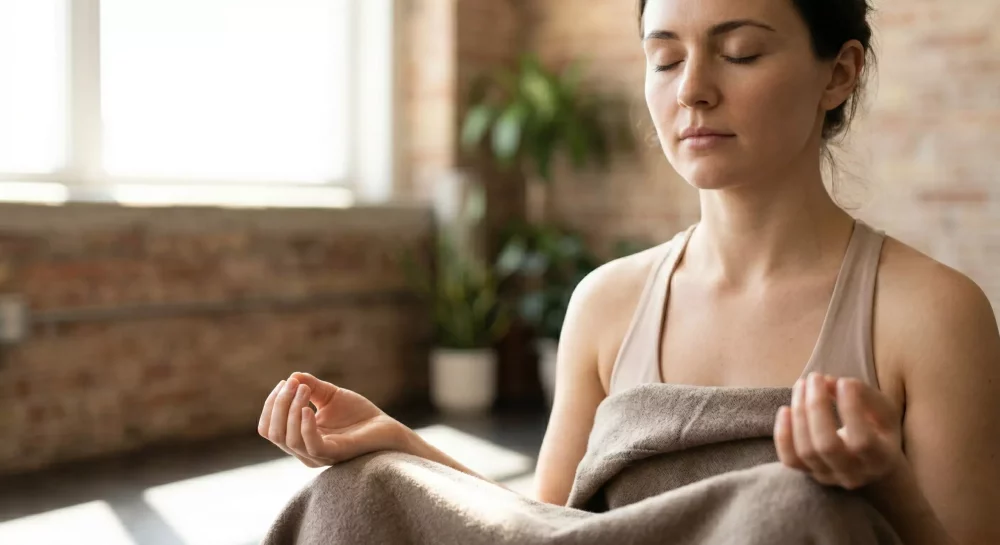
Yoga is a practice of being present. Rather than focusing on what your body should be able to do, cultivate an awareness of your current state. Accept your body’s unique biomechanics exactly as they are today.
2. Release Aesthetic Expectations
Leave social media expectations at the door. Yoga is not about extreme flexibility, contortion, or designer activewear.
A safe, evolving practice is built on internal alignment and mindfulness, not external appearances.
3. Understand the Core of the Practice
Do not worry about complex inversions or immediate weight loss. True yoga focuses on establishing inner strength, mind-body connection, and functional mobility. It is a lifelong process, not a quick fitness fix.
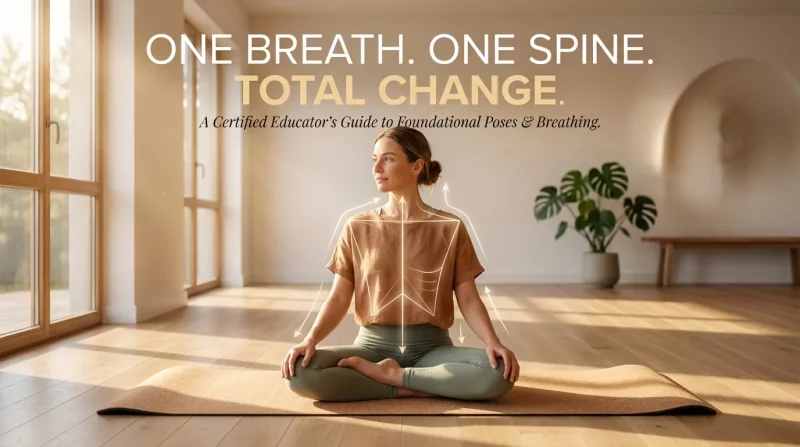
4. Prioritize Pranayama (Breath Awareness)
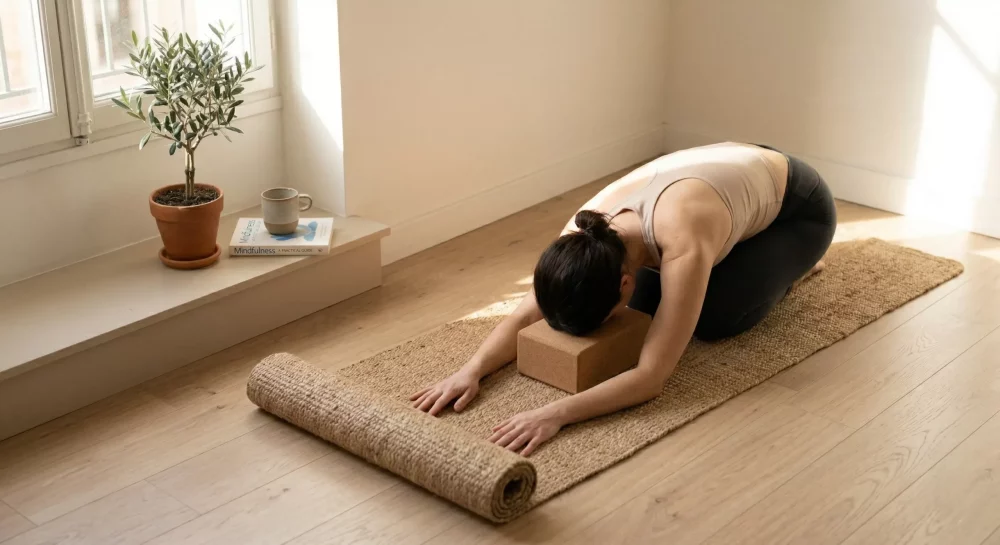
Whether you are in a dynamic Vinyasa class or resting in Child’s pose, breath is your anchor.
Moving synchronously with your inhale and exhale yields profound physiological benefits, including deep stress reduction and improved cardiovascular efficiency.
5. Get Comfortable in Stillness
In our hyper-connected world, sitting still is a challenge. Before attempting advanced physical postures, practice the fundamental tenet of being present.
Observe your urge to reach for digital distractions and gently guide your focus back to the current moment.
6. Learn Foundational Yoga Asanas
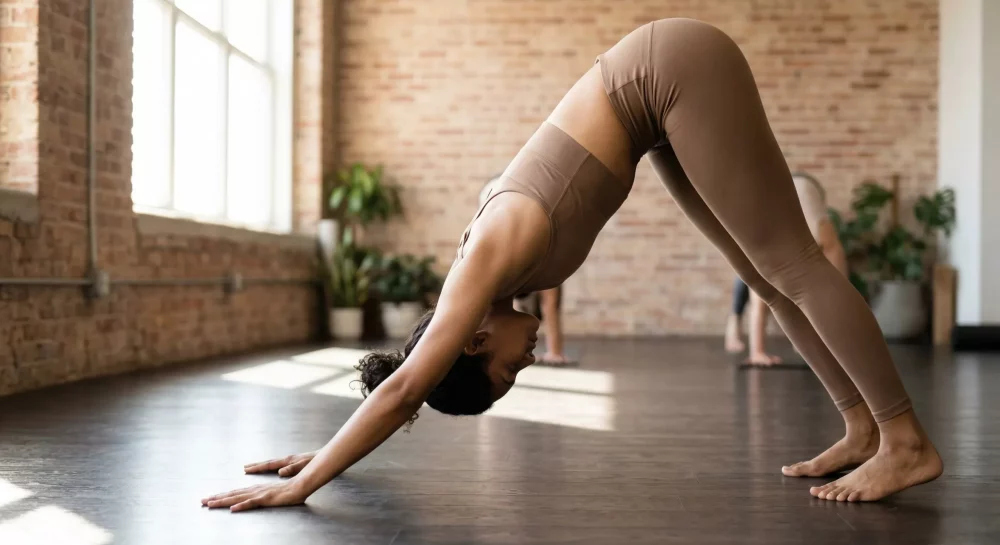
Begin with accessible postures that build stability. Focus on grounding through your hands and feet, lengthening the spine, and finding space in the joints. Essential beginner poses include:
- Downward-Facing Dog (Adho Mukha Svanasana)
- Child’s Pose (Balasana)
- Corpse Pose (Savasana)
7. Practice with Certified Instructors
To prevent injury and build a solid foundation, seek out classes led by certified professionals (e.g., Yoga Alliance RYT). Do not hesitate to introduce yourself as a beginner; a qualified instructor will provide personalized modifications and props to support your body.
Finding the Right Style: Popular Yoga Types in Europe
Choosing the right style is crucial for a positive early experience:
- Hatha Yoga: Gentle and slow-paced, perfect for mastering basic alignment.
- Yin Yoga: Deep, passive stretching focusing on connective tissues; excellent for mobility and stress relief.
- Vinyasa Yoga: A fluid, breath-synchronized practice for those seeking movement and cardiovascular engagement.
- Restorative Yoga: Highly supported poses using props, ideal for burnout recovery and nervous system soothing.
Frequently Asked Questions (FAQ)
Is yoga scientifically proven to reduce stress?
Yes. Numerous peer-reviewed studies demonstrate that regular yoga practice significantly lowers cortisol levels and heart rate by stimulating the vagus nerve and activating the parasympathetic nervous system.
Can beginners do yoga at home safely?
Absolutely. Beginners can start at home using guided content from certified instructors. However, attending a few in-person foundational classes is highly recommended to learn safe alignment and injury prevention.
How often should a beginner practice yoga?
Consistency is more important than duration. Starting with 15-20 minutes, 2 to 3 times a week, is highly effective for building habit and gradually improving mobility without overtaxing the body.