The integration of animals into wellness spaces has expanded beyond traditional therapy companions, bringing entirely new sensory dynamics to the yoga mat.
“Snake yoga” a unique practice utilizing reptiles like ball pythons, introduces unexpected elements of tactile feedback, weighted compression, and hyper-focused mindfulness into traditional asana.
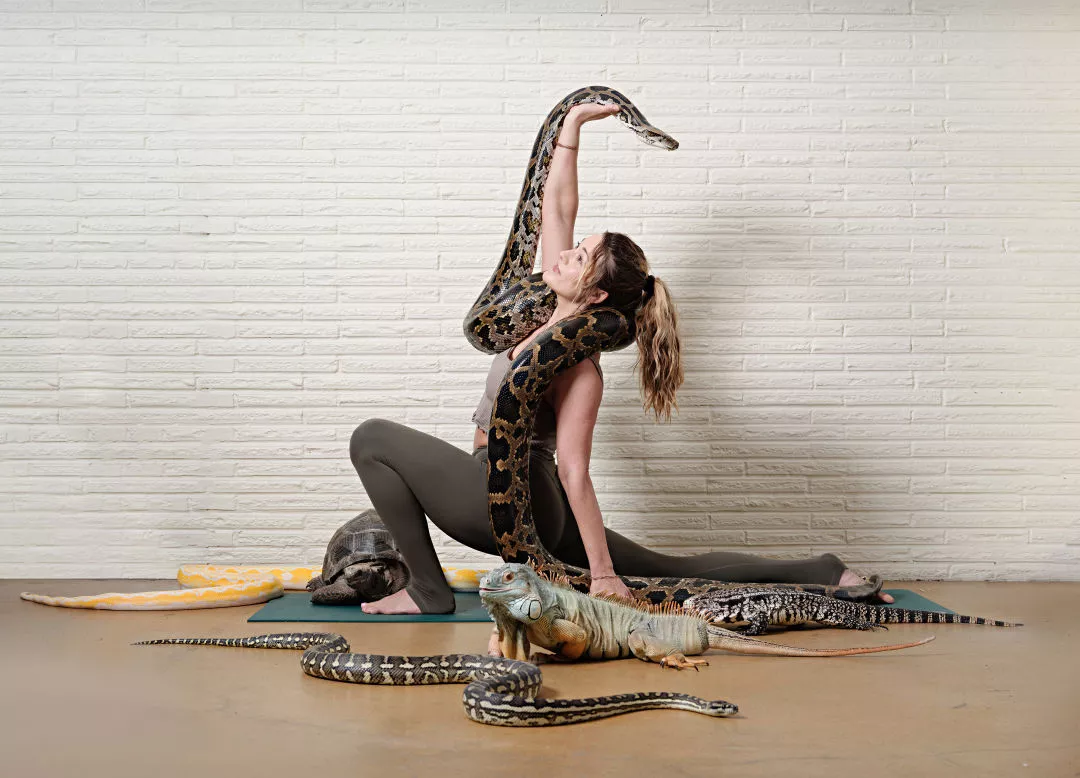
This guide explores the biomechanical and psychological realities of sharing a practice space with cold-blooded creatures, breaking down how this novel approach intersects with nervous system regulation and mindful movement.
The Physiology of Tactile Feedback in Asana Practice
In movement science, we often use props—blocks, straps, and sandbags—to provide proprioceptive feedback and assist the body in finding proper alignment.
In a specialized class setting, such as the one developed by yoga instructor Katy Vanek and reptile specialist Dru Morales, snakes inadvertently serve a similar somatic function.
Compression, Proprioception, and the Nervous System
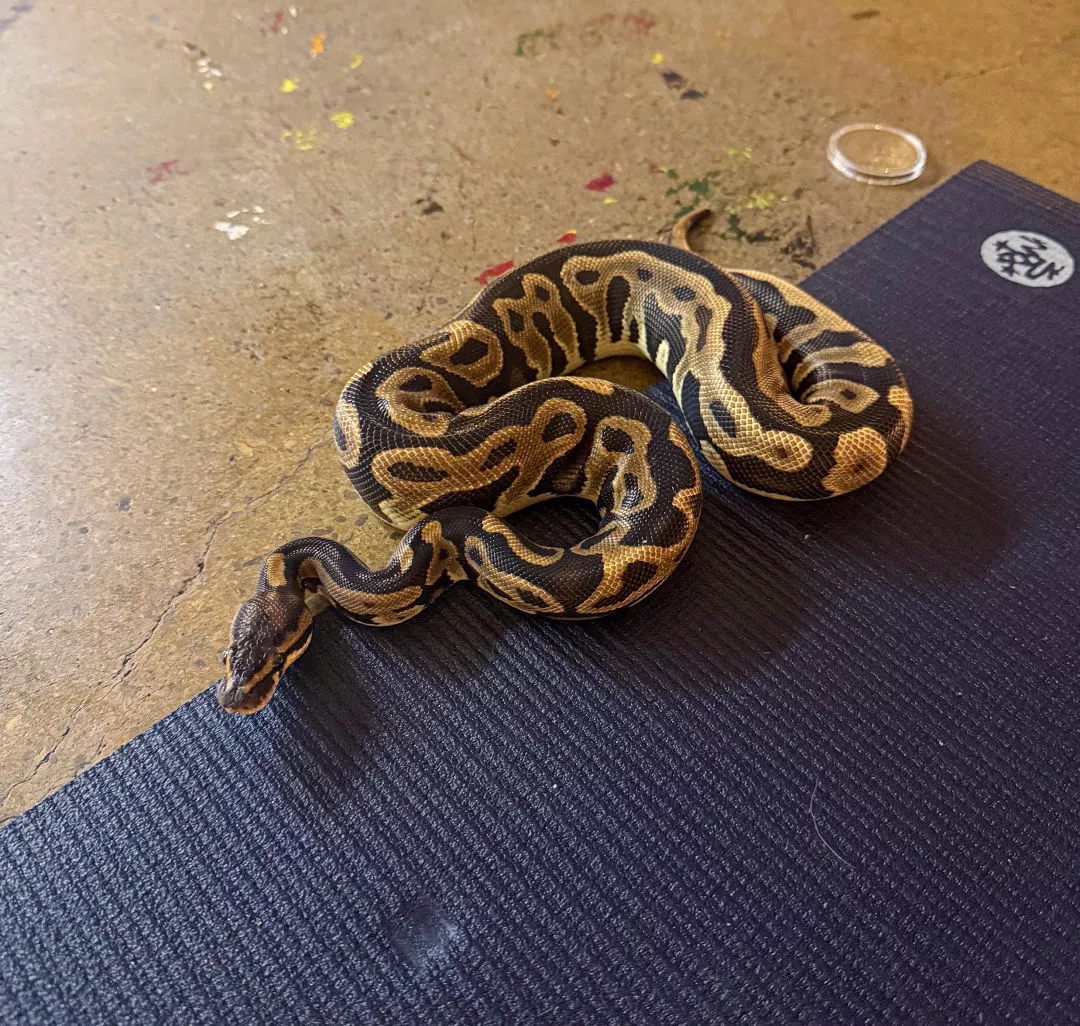
When a practitioner integrates a small, three-pound ball python (like Sammy, a regular at the Hisss shop in Portland) into their practice, the animal acts as a dynamic, living weight.
Because snakes are essentially “tubes of muscle,” their slow, constricting movements offer a sensation akin to targeted fascial massage.
When placed across the upper back or shoulders, this gentle, localized compression signals the parasympathetic nervous system.
Much like the therapeutic use of weighted blankets, the physical weight of the animal encourages the practitioner to ground their physical body, lowering the heart rate and inviting a deeper sense of physical presence.
Alignment and Somatic Awareness with Living Props
From a teaching perspective, introducing a physical weight during spinal articulation fundamentally changes the student’s internal awareness.
Take the transition between spinal flexion and extension in Cat-Cow (Marjaryasana-Bitilasana):
-
The Cue: “As you inhale, drop the belly, lift the chest, and feel the shoulder blades glide down the back. As you exhale, press the earth away, doming the upper back.”
-
The Experience: When a snake is draped across the cervical and thoracic spine, the practitioner receives immediate physical feedback. If the back arches, the animal naturally adjusts its grip; if the belly drops, the animal shifts. This external stimulus forces the practitioner to move with extreme intentionality, cultivating a heightened awareness of spinal mobility and muscular control.
If you are interested in how physical props influence spatial awareness, exploring our [Comprehensive Guide to Proprioception and Yoga Alignment] can provide deeper insights into somatic feedback.
Breath Mechanics and Vibrational Resonance (Pranayama)
A fundamental pillar of yoga is pranayama, the conscious regulation of breath. Interestingly, the biological nature of snakes complements certain breathwork and sound practices in unexpected ways.
How Sound Frequencies Impact the Practice Space
Snakes lack external ears and do not process sound waves through the air in the way mammals do; instead, they are highly attuned to physical vibrations in their environment. This physiological trait makes them uniquely responsive to vibrational breathing techniques and vocalizations.
When an instructor leads a class in Bhramari (Humming Bee Breath) or traditional chanting, the vocal cords generate deep, internal vibrations that travel through the practitioner’s body and into the mat.
Because cold-blooded animals are drawn to the warmth of human bodies, they often rest directly on the practitioner, where they can physically feel the resonance of the breath.
This creates a fascinating symbiotic loop: the practitioner focuses on elongating their exhalation and deepening the vibration to soothe their own nervous system, which in turn creates a steady, rhythmic environment that keeps the animal calm and grounded.
For practitioners looking to refine their breath control, reviewing the [Foundations of Breath Mechanics and Pranayama] is an excellent next step.
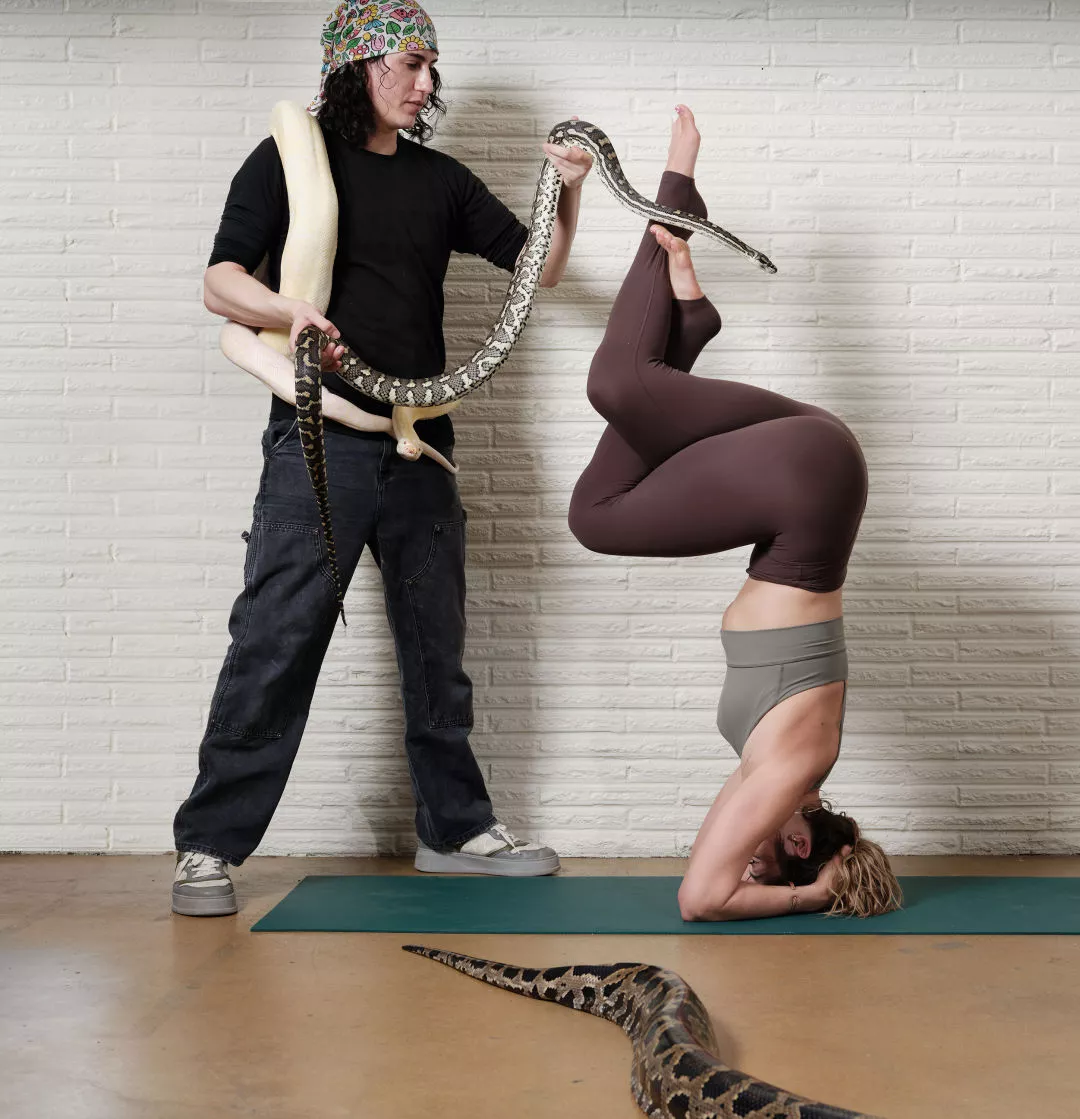
Mindfulness, Safety, and Shared Autonomy
The introduction of any unpredictable element into a yoga studio requires a rigorous approach to safety and mindfulness.
Unlike goats or puppies, which often bring a chaotic, high-energy distraction to the room, snakes move with a slow, sinuous deliberation that demands a quiet, focused environment.
Adapting Flow and Maintaining Spatial Awareness
Practicing alongside reptiles completely shifts the cadence of a standard vinyasa class. Practitioners cannot operate on autopilot.
Every movement backward on the mat, every transition from standing to seated, requires the student to pause and visually assess their surroundings.
-
Safety Protocols: Professional environments that host these sessions utilize trained handlers to monitor the animals for signs of stress. Furthermore, the use of “consent tokens” allows students to clearly communicate whether they wish to interact with the animals or simply share the room with them.
-
Teaching Modifications: Instructors must cue transitions much slower than usual. For example, rather than a rapid “step back into Plank,” the cue becomes “look to the back of your mat, ensure your space is clear, and with control, extend your right leg back.” This forced deceleration removes the momentum from the practice, requiring more core stability and deliberate joint articulation.
The emergence of animal-assisted classes like snake yoga highlights a broader truth about movement practice: our physical environment profoundly dictates our internal experience.
Whether it is the weighted compression on the fascia, the vibrational feedback during pranayama, or the heightened spatial awareness required to move safely, these unique environments challenge practitioners to remain intensely present.
If you want structured guidance in your practice—whether you are looking to refine your biomechanics, explore nervous system regulation, or simply find a mindful space to breathe—learning under professional supervision is essential.
For practitioners who prefer building a foundational understanding of alignment and breath, exploring a traditional, guided yoga class can help you develop these techniques safely and sustainably.